
Evidence verification
Callimachus
Does the cited paper actually support the claim?
Stefano Natangelo, MD
I’m a medical oncologist working on clinical AI evaluation and governance. I also build software for evidence verification and clinical workflows: Callimachus and iFAmatic.
Open to clinical AI, clinical development and medical-scientific roles from December 2026.

Evidence verification
Does the cited paper actually support the claim?
Clinical workflows
Automates routine AIFA registry work with the operator in control.
Scientific satire
A diamond open-access journal on research culture.
Publishing infrastructure
OJS infrastructure for four publications: JSE, SIDM, CRECER and RVPCS.
Awarded for The Preservation Gap, on governing clinical language models across updates. First and presenting author, poster 353P, ESMO AI & Digital Oncology Congress.
Published abstract · November 2026
Philosophy & Technology, 39, article 194 (2026). Sole author.
A constrained architecture for clinical decision support, with inspectable evidence, uncertainty and clinician overrides.
Tools for evidence verification and clinical workflows, built from research and day-to-day practice.

Citation verification with the evidence available for review.
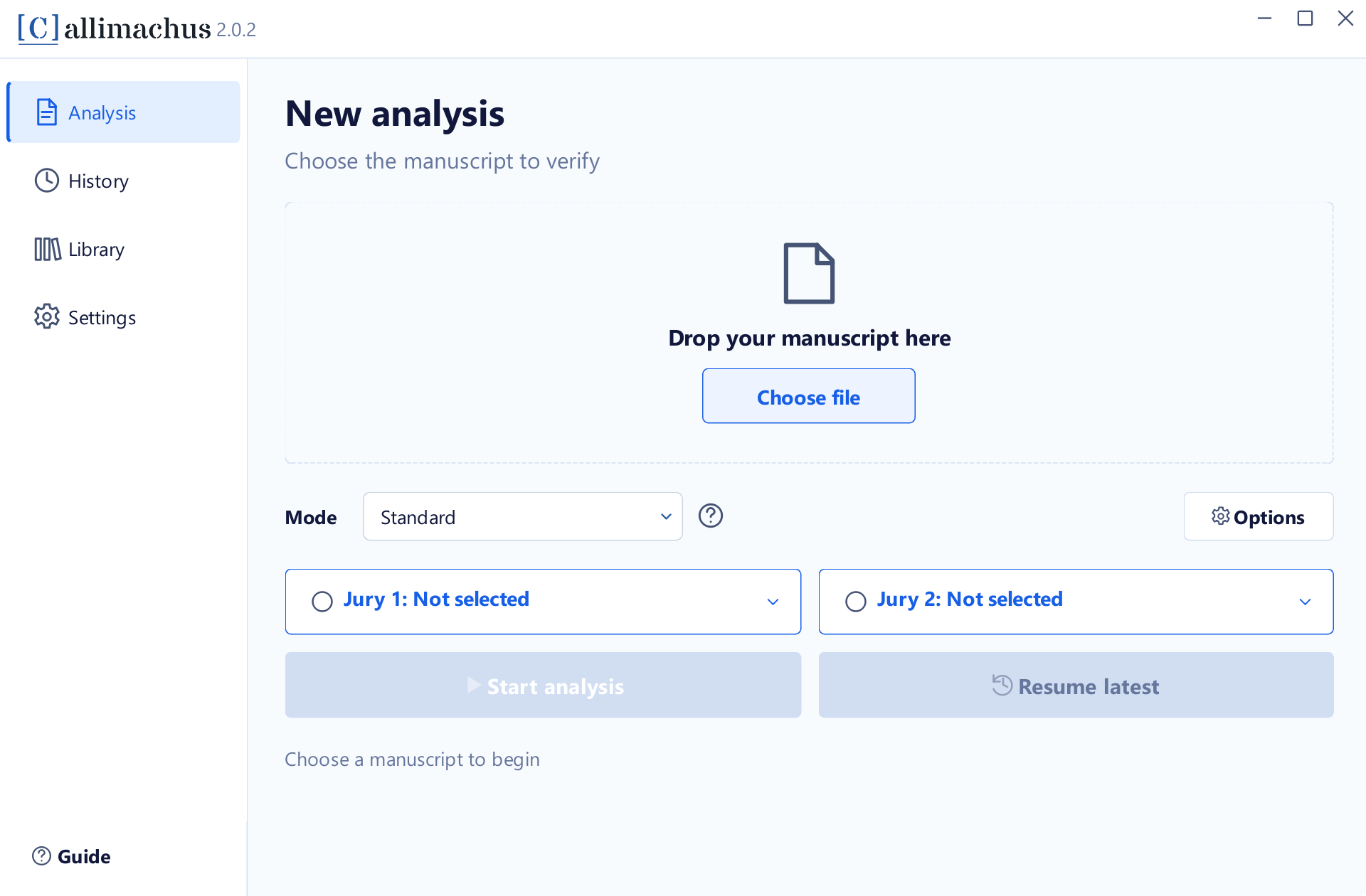
I took Callimachus from a research question about AI governance to a publicly released desktop application, now available on Microsoft Store for Windows. It checks reference identity, citation form and whether a source supports a manuscript’s claim.
Language models make bounded judgements. Deterministic checks validate the quoted passages and retain the evidence behind each finding.
Python, SQLite, PySide6. Desktop and command-line workflows; interchangeable model backends.

Less repetitive registry work.
The operator stays in control.
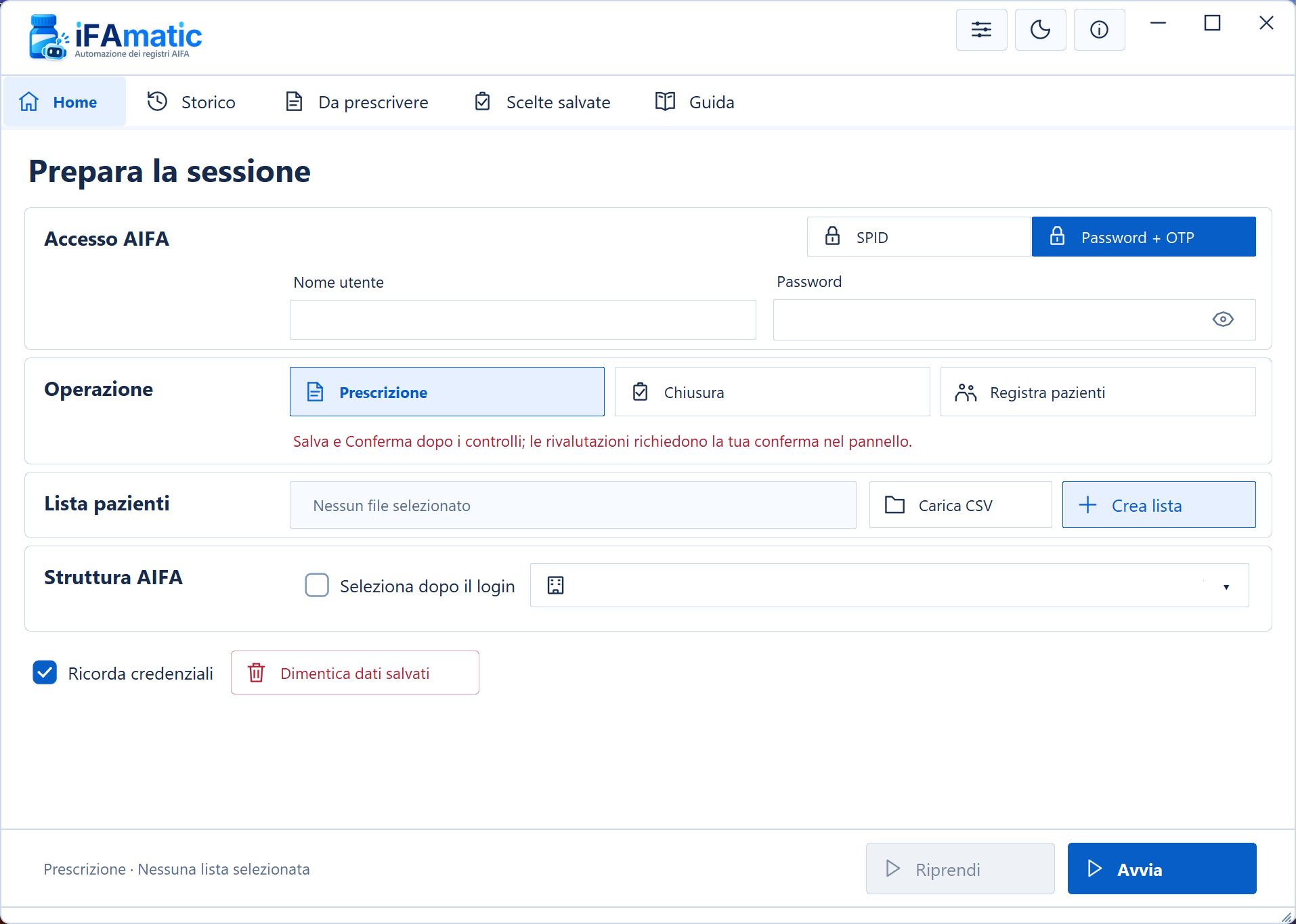
I built iFAmatic from the repetitive AIFA registry work I encountered in clinical practice. It automates renewals, assists registration and manages treatment closures with operator confirmation.
The browser stays visible. Operators can request manual control, review cases that need attention and resume interrupted work. The workflows are deterministic, not AI-generated.
Windows & macOS · Free core application
Custom hospital-software integrations are available separately, for a fee.
How to evaluate language models, preserve validated properties across updates and make clinical AI decisions auditable.
My independent work develops conceptual and methodological approaches to these questions. With AI-ON-LAB, I also work on clinical NLP and LLM benchmarking in oncology.
Specialisation thesis
2026
Can an LLM judge recognise when another model has proposed the wrong treatment for advanced non-small cell lung cancer?
Philosophy & Technology
2026
Published
Proposes a constrained architecture for oncology decision support, with inspectable uncertainty and clinician overrides.
Nature Medicine
2026
Published
Evaluates the clinical usability of an explainable AI decision-support tool and multimodal models in NSCLC.
ESMO Real World Data and Digital Oncology · ESMO AI & Digital Oncology Congress
2026
Published abstract
Proposes the NAT-Clinical framework for governing clinical language models across updates. ESMO Merit Award.
I trained in thoracic oncology at Fondazione IRCCS Istituto Nazionale dei Tumori from November 2023 to November 2026, with experience in immunotherapy and Phase I–III trials. My work included patient screening and follow-up, safety reporting and structured clinical data.
I completed my specialisation in Medical Oncology at the University of Milan on 11 November 2026. My training also included rotations at IEO, Niguarda and ASST Fatebenefratelli Sacco.
At Niguarda, I rebuilt the ward’s Word-based handover workflow; it remained in use after my rotation.
Full clinical experience and education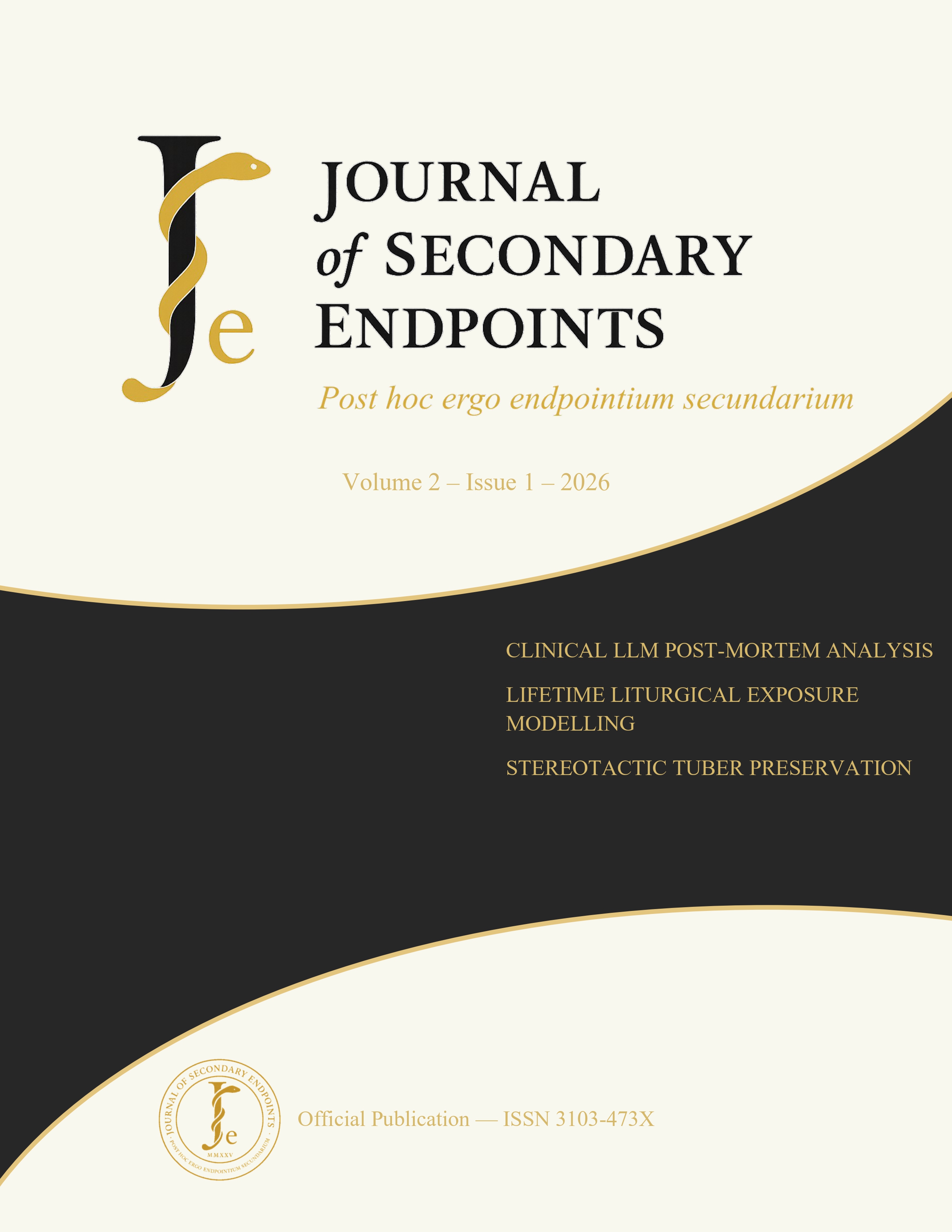
I founded and edit this diamond open-access journal on research culture and scientific satire, and built its publishing infrastructure. Through JSENetwork, I also provide pro-bono OJS hosting for independent journals.